Best Quran Memorisation Apps in 2026: Honest Comparison & Reviews


Bilal Chohan
30 May 2026
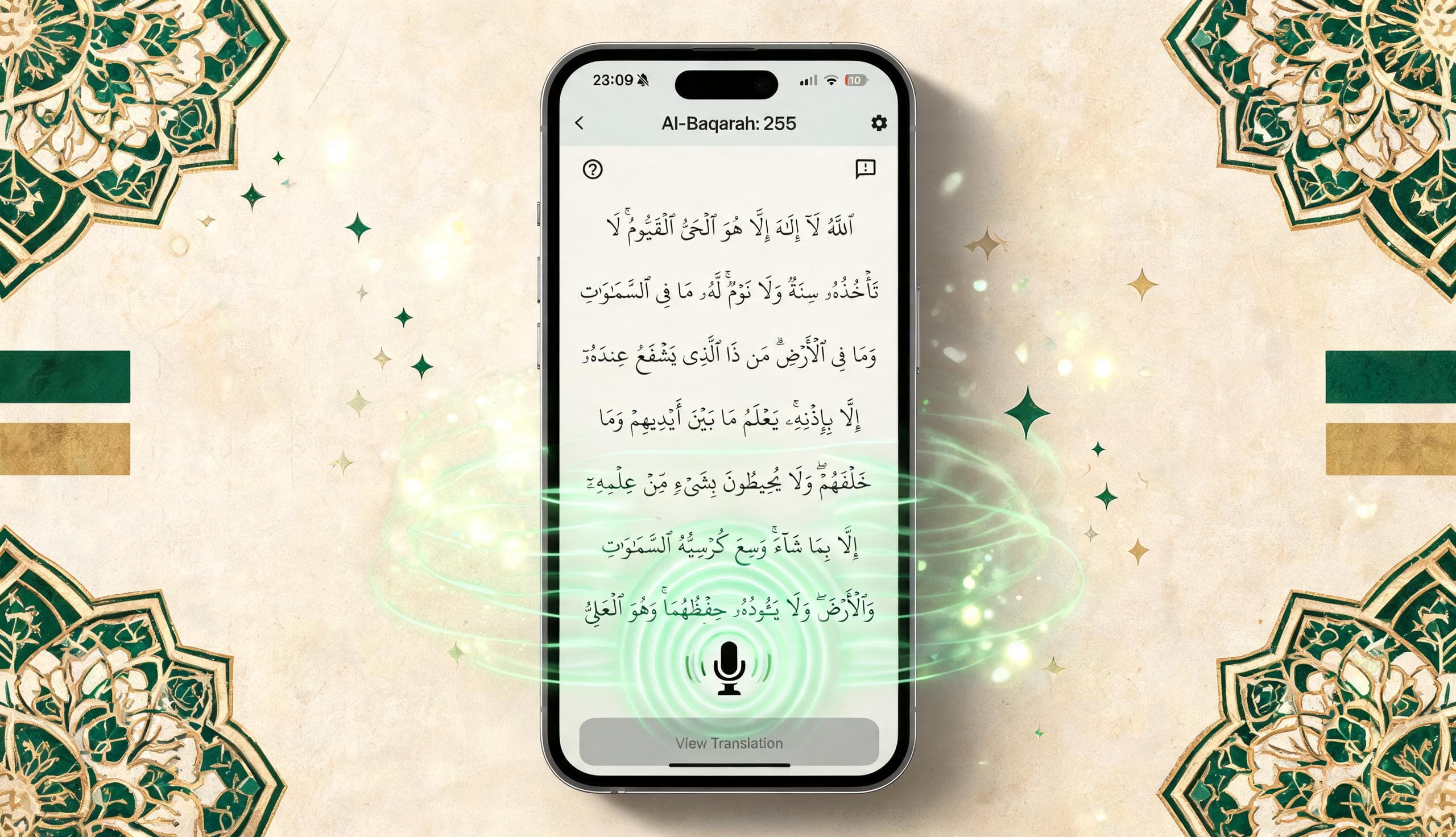
Finding the right Quran memorisation app can transform your Hifdh journey from overwhelming to achievable. With dozens of Islamic apps claiming to help you memorise the Quran, choosing one that actually supports consistent progress feels impossible. You need an app that understands memorisation psychology, provides structured revision systems, and keeps you motivated through the inevitable difficult days.
This honest comparison reviews the top Quran memorisation apps available in 2026, examining their memorisation features, revision systems, user experience, and genuine effectiveness. We'll explore what each app does well, where they struggle, and help you choose the right tool for your memorisation goals and learning style.
Why Muslims Are Looking for Quran Memorisation Apps
The search for digital Hifdh tools reflects genuine challenges Muslims face when memorising the Quran independently. Traditional memorisation methods require structured guidance, consistent revision schedules, and motivational support that many Muslims struggle to maintain alone.
Modern Muslims often lack access to local Hifdh programs or qualified teachers, making self-directed memorisation their only option. They need apps that provide the structure, accountability, and progression tracking that in-person classes naturally offer. Additionally, busy schedules demand flexible learning tools that work around work, family, and other commitments.
The biggest memorisation challenges apps aim to solve include forgetting previously memorised ayat, lack of consistent revision systems, difficulty tracking progress across multiple surahs, and maintaining motivation during challenging periods. Muslims want technology that supports their spiritual goals rather than complicating them.
What Good Memorisation Apps Do Well and Where They Fall Short
The best Quran memorisation apps excel at providing structured learning pathways that break down overwhelming memorisation goals into manageable daily tasks. They offer high-quality recitations from recognised qaris, clear Arabic text with proper tajweed markings, and progress tracking that shows measurable advancement over time.
Effective apps also understand memorisation psychology, implementing spaced repetition systems that present previously memorised content at optimal intervals for long-term retention. They gamify the experience appropriately, using streaks, achievements, and progression systems that motivate without trivialising the spiritual significance of memorising Allah's words.
However, many apps fall short in crucial areas. Some focus heavily on reading features while neglecting memorisation-specific tools like systematic revision schedules or recall testing. Others overwhelm users with too many features, making the core memorisation experience confusing. The biggest gap is often in retention support - apps may help you memorise new content but fail to ensure you remember what you've already learned.
Top 5 Quran Memorisation Apps Compared
After testing numerous Islamic apps, five stand out for their memorisation-focused features, user experience, and genuine effectiveness in supporting Hifdh goals. Each takes a different approach to helping Muslims memorise and retain the Quran, with distinct strengths and limitations.
Mathani: Structured Hifdh with Habit Building
Mathani positions itself as the structured memorisation app, focusing specifically on building consistent Hifdh habits rather than being a general Islamic resource. The app treats Quran memorisation as a skill that requires systematic practice, implementing learning techniques backed by memorisation psychology research.
The core strength lies in its spaced repetition system that automatically schedules revision of previously memorised content. Users memorise new ayat while the app ensures they regularly review older material at scientifically optimal intervals. This addresses the common problem of forgetting early surahs while learning new ones.
Mathani includes comprehensive quiz features that test memorisation through multiple methods: fill-in-the-blank exercises, ayah ordering challenges, and 'what comes next' recall tests. These active recall techniques prove more effective than passive review for long-term retention.
The habit-building approach gamifies progress appropriately, with XP systems, achievement levels, and streak tracking that motivate consistent daily practice. The app works whether you're memorising Juz Amma as a beginner or working through longer surahs as an advanced student.
Limitations include a learning curve for users unfamiliar with structured memorisation systems and fewer general Islamic features compared to comprehensive Quran apps. The focus on memorisation means less emphasis on translation study or general Quran reading.
Quran Majeed: Comprehensive Islamic Resource
Quran Majeed serves as a complete Islamic app with memorisation features integrated into a broader religious toolkit. It offers excellent Quran reading experience with multiple reciters, translations in numerous languages, and beautiful Arabic typography that makes memorisation pleasant.
The memorisation features include basic bookmark systems for tracking progress, repeat functionality for listening to specific ayat multiple times, and the ability to create custom playlists for revision. The app excels at providing high-quality audio recitations essential for proper pronunciation learning.
Quran Majeed's strength lies in its comprehensive approach - users can study translations, learn about revelation contexts, and access Islamic calendar features alongside memorisation. This makes it valuable for Muslims wanting one app for all Quran-related activities.
However, the memorisation tools feel secondary to the reading features. There's no systematic spaced repetition, limited testing capabilities, and no structured progression system specifically designed for Hifdh students. Users must create their own memorisation schedules and revision systems.
iQuran Pro: Simple Memorisation Tools
iQuran Pro focuses on simplicity, offering straightforward memorisation tools without overwhelming features. The app provides clean Arabic text, quality recitations, and basic progress tracking that appeals to users preferring minimalist interfaces.
Key memorisation features include verse-by-verse audio playback, customisable repeat settings, and simple bookmark systems for marking memorised sections. The app allows users to hide Arabic text to test recall, though this feature lacks the sophistication of dedicated testing systems.
The simplicity proves both a strength and limitation. Users who find complex apps distracting appreciate the clean, focused experience. However, those needing structured guidance, systematic revision schedules, or comprehensive progress tracking may find the tools insufficient for serious Hifdh goals.
Ayah by Ayah: Verse-by-Verse Learning
Ayah by Ayah takes a unique approach, focusing specifically on individual verse memorisation with detailed breakdown of each ayah's components. The app provides word-by-word translation and pronunciation guides that help users understand what they're memorising.
The detailed approach benefits users who learn better when understanding meaning alongside memorisation. Each ayah is broken down into individual words with translation and transliteration, making it easier to remember verses through comprehension rather than pure repetition.
However, the detailed approach can slow down memorisation for users comfortable with Arabic or those preferring faster-paced learning. The app lacks comprehensive revision systems and progress tracking across multiple surahs, limiting its effectiveness for extensive Hifdh goals.
Quran Academy: Traditional Learning Approach
Quran Academy attempts to replicate traditional madrasa learning experiences through digital tools. The app provides structured courses, qualified teacher guidance, and community features that simulate classroom learning environments.
The strength lies in combining technology with human guidance. Users can access qualified teachers for pronunciation correction, participate in group memorisation challenges, and follow structured curricula designed by Islamic education experts.
Limitations include higher costs due to teacher involvement, less flexibility for self-paced learning, and dependence on scheduled classes that may not suit all time zones or schedules. The app works best for users seeking traditional learning experiences rather than independent memorisation tools.
Feature-by-Feature Comparison
When comparing memorisation-specific features, clear differences emerge between apps designed primarily for memorisation versus those offering memorisation as one of many features. Systematic revision support, testing capabilities, and progress tracking vary significantly across platforms.
Spaced repetition systems are crucial for long-term retention but only available in dedicated memorisation apps like Mathani. General Quran apps rely on users creating their own revision schedules, which often leads to inconsistent review and forgotten material.
Testing and recall features range from basic hide-text functionality to comprehensive quiz systems with multiple question types. Apps with sophisticated testing tend to produce better memorisation outcomes, as active recall proves more effective than passive review.
Audio quality and reciter options are consistently high across popular apps, though some offer more reciters or better audio compression for offline use. Progress tracking varies from simple bookmarks to detailed analytics showing memorisation speed, accuracy, and retention rates.
Which App Should You Choose?
Choose Mathani if you want structured, systematic memorisation with built-in revision schedules and comprehensive testing features. It works best for serious Hifdh students who need accountability and systematic progression tracking. The app suits both beginners starting with short surahs and advanced students working through longer chapters.
Choose Quran Majeed if you want one comprehensive app for all Quran-related activities including reading, translation study, and basic memorisation. It works well for casual memorisers who also want extensive Islamic resources and don't need sophisticated memorisation tools.
Choose iQuran Pro if you prefer simple, distraction-free memorisation tools and want to create your own learning system. It suits users who find feature-rich apps overwhelming and prefer minimalist interfaces for focused memorisation sessions.
Choose Ayah by Ayah if you learn better through understanding word meanings and want detailed breakdown of each verse. It works well for beginners who benefit from comprehension-based memorisation rather than pure repetition.
Choose Quran Academy if you want teacher guidance and community support similar to traditional madrasa experiences. It suits users who learn better with human interaction and structured courses rather than independent study.
How to Use Multiple Apps Together Effectively
Many successful memorisers combine apps strategically rather than relying on a single tool. Use a dedicated memorisation app like Mathani for systematic learning and revision, while supplementing with comprehensive apps like Quran Majeed for translation study and additional reciters.
Start your memorisation session with your primary app's structured system, then use secondary apps for specific needs like checking different recitation styles or studying verse meanings. This approach provides memorisation structure while accessing broader Islamic resources when needed.
Avoid using multiple apps for the same function, as this creates confusion and inconsistent progress tracking. Choose one app for memorisation tracking and revision scheduling, then use others for supplementary features like additional audio options or translation resources.
Consider your daily routine when combining apps. Use your primary memorisation app during dedicated study time, then access general Quran apps for casual reading or review during commutes or breaks. This maximises both structured learning and casual exposure to the Quran.
Frequently Asked Questions
Which Quran app is best for beginners starting Hifdh? Mathani works well for beginners because it provides structured guidance and systematic progression. Start with Juz Amma surahs and let the app guide your daily memorisation and revision schedule.
Do Quran memorisation apps work as well as traditional methods? Apps can be highly effective when they implement proven memorisation techniques like spaced repetition and active recall. However, they work best when combined with proper pronunciation guidance from qualified teachers.
How much do good memorisation apps cost? Prices range from free basic versions to premium subscriptions around £5-15 monthly. Dedicated memorisation apps often provide better value than general Islamic apps if Hifdh is your primary goal.
Can I memorise the entire Quran using just an app? While apps provide excellent structure and tools, complete Hifdh typically benefits from teacher guidance for pronunciation correction and spiritual mentorship. Apps work best as systematic learning tools within broader Islamic education.
How long does it take to see results with Quran memorisation apps? Most users notice improved consistency within 2-3 weeks of daily use. Actual memorisation speed depends on individual factors, but structured apps typically help users memorise 30-50% faster than unstructured methods.
Should I use Arabic-only or translation-included apps? This depends on your Arabic level and learning style. Arabic-only apps work well for those comfortable with Quranic Arabic, while translation features help beginners understand what they're memorising, potentially improving retention.
Do Quran memorisation apps work offline? Most quality apps offer offline functionality for audio and text, crucial for consistent practice regardless of internet connectivity. Check offline capabilities before committing to any memorisation app.
How do I choose between free and paid Quran memorisation apps? Free versions often provide basic functionality suitable for casual memorisation. Serious Hifdh students typically benefit from paid features like systematic revision schedules, comprehensive testing, and detailed progress analytics.
Final Thoughts
The right memorisation app transforms Hifdh from an overwhelming goal into an achievable daily habit. Success depends more on consistent daily practice than perfect app choice, but structured tools significantly improve both memorisation speed and long-term retention.
For serious memorisation goals, choose apps that prioritise systematic revision and testing over general Islamic features. Mathani's structured approach works particularly well for Muslims committed to consistent Hifdh progress, while comprehensive apps like Quran Majeed suit those wanting broader Islamic resources alongside basic memorisation tools.
Remember that memorising the Quran is ultimately a spiritual journey that benefits from both technological tools and traditional wisdom. Use apps to provide structure and consistency, but seek qualified teachers for pronunciation guidance and spiritual mentorship. Start with short daily sessions, focus on retention over speed, and trust that consistent effort produces remarkable results over time.